
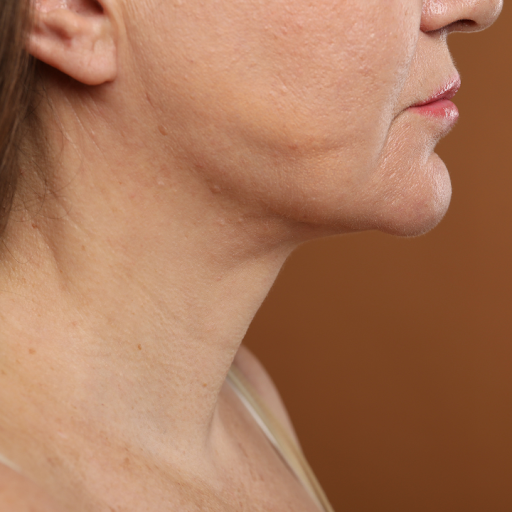
Choosing a facelift is not just about looking younger. For most patients, it is about looking refreshed, less tired, and more like themselves again. If you are searching for a facelift in Newport Beach, you are likely seeing changes such as jowling, softened jawline definition, deeper folds, or a neck that no longer matches how energetic you feel. The most important decision in this journey is not the procedure name. It is choosing the right surgeon and the right plan for your anatomy.
This guide explains what patients should know before selecting a Newport Beach cosmetic surgeon for facelift surgery, including what modern techniques aim to achieve, how to evaluate experience and safety, what questions to ask, and how to set realistic expectations for recovery and results.
Understand What a Facelift Can and Cannot Do
A facelift is designed to address structural aging in the midface and lower face. It can improve:
- Jowls and jawline blurring
- Sagging in the lower cheeks
- Deepened folds caused by tissue descent
- Loose skin and laxity that does not respond to non surgical treatments
- Neck changes when combined with a neck focused approach
A facelift does not primarily treat surface skin issues such as fine lines, sun damage, or uneven texture. Many patients benefit from pairing surgical lifting with skin rejuvenation treatments after healing to improve tone and texture.
Key takeaway: If the main issue is sagging, surgery is often the most effective option. If the main issue is texture, resurfacing treatments may be a better first step. Many patients need a combination plan for the most complete refresh.
Know the Difference Between “Pulled Tight” and Natural Looking
Many people delay facelift surgery because they fear looking overdone. Modern facial rejuvenation is not about stretching skin. A natural result comes from addressing deeper support structures and restoring facial balance.
When done correctly, a facelift should look like:
- A smoother jawline without harsh pulling
- A more rested appearance around the cheeks and mouth
- Better facial harmony from every angle
- A neck and jawline that appear cleaner and more defined
- You looking refreshed
If you see results that look windswept, overly tight, or unnatural, that is often a sign of outdated technique or poor planning. Your surgeon should be able to explain how their approach supports natural looking outcomes.
Verify Credentials and Training the Right Way
When searching for the best cosmetic surgeon in Newport Beach for a facelift, start with credentials and surgical training. Look for:
- Board certification and verified medical licensure
- A strong focus on facial rejuvenation procedures
- Ongoing education and professional involvement
- A surgical facility that meets safety standards
A facelift is a high skill procedure that blends anatomy knowledge with artistry. You want a surgeon who does facelifts regularly, not occasionally.
Evaluate Before and After Photos Like a Pro
Before and after galleries can be helpful, but only if you know what to look for.
Signs of High Quality Results
- The patient still looks like themselves
- Jawline and neck improvement looks smooth and consistent
- Ears look natural and not pulled
- The mouth area looks soft, not stretched
- Results look good from different angles, not only straight on
- Scars are discreet and well placed
What to Watch Out For
- Photos that use different lighting, angles, or heavy retouching
- Only one view shown
- Overly tight or shiny skin appearance
- Facial expression changes that look forced
If possible, ask to see multiple examples of patients with similar facial structure and skin quality to yours.
Ask About the Full Plan, Not Just the Procedure Name
“Facelift” is a broad term. A quality consultation should include an individualized plan that might involve:
- Lower face lift or deep plane facelift depending on concerns
- Neck lift elements if banding or loose neck skin is present
- Chin support or contouring when anatomy benefits
- Eyelid rejuvenation if the eyes create a tired appearance
- Skin rejuvenation treatments later to improve texture and sun damage
The best facelift plans are personalized. If the consultation feels like a template, it is okay to seek a second opinion.
Questions to Ask in a Facelift Consultation
Bring a list and take notes. These questions will help you evaluate safety, experience, and fit.
Experience and Technique
- How many facelifts do you perform each year?
- Which facelift approach do you recommend for my anatomy and why?
- How do you address the neck and jawline if needed?
- What makes your results look natural rather than pulled?
Safety and Facility
- Where will the surgery be performed?
- Who provides anesthesia and what are their qualifications?
- What is your plan for infection prevention and post op support?
- How do you handle complications if they occur?
Recovery and Results
- What will week one, week two, and week four look like?
- When can I return to work, exercise, and social events?
- How long do results typically last for patients like me?
- What scarring should I expect and how do you minimize it?
A surgeon who welcomes questions and explains clearly is often a good sign.
Understand Recovery in Realistic Terms
Facelift recovery is more predictable than many people expect, but it is still a real healing process. Most patients experience:
- Swelling and bruising that is most noticeable early
- Tightness and mild discomfort as tissues settle
- A gradual return to normal appearance over weeks
- Continued refinement for several months
Many patients plan for about two weeks of social downtime. Some return to work sooner depending on their comfort level, but it is wise to give yourself enough time to heal without pressure.
If you have a wedding, major event, or travel planned, give yourself a comfortable buffer. A refreshed look is best when you are not rushing.
Discuss Longevity and Maintenance Honestly
A facelift is long lasting, but it does not stop aging. Think of it as restoring structure and setting you up to age better going forward. Longevity depends on:
- Skin quality and genetics
- Sun exposure and skincare habits
- Weight stability
- Lifestyle factors such as smoking
- Whether the neck and deeper structures were addressed appropriately
Many patients maintain their results with thoughtful non surgical treatments such as Botox, fillers, PRP, or skin rejuvenation, spaced appropriately after healing.
Costs and Value: What Patients Should Keep in Mind
It is normal to compare facelift cost estimates, but value matters more than the lowest price. Costs reflect:
- Surgeon experience and specialization
- Facility and anesthesia safety standards
- Level of care during recovery
- Follow up support and long term planning
A facelift is not a commodity procedure. The surgeon and team you choose can influence both your experience and your final result.
Red Flags That Should Prompt a Second Opinion
Trust your instincts. Consider a second opinion if you notice:
- Pressure to book quickly without education
- A one size plan that does not match your concerns
- Inconsistent photo documentation
- Lack of clear discussion about risks and recovery
- Unclear facility standards or anesthesia information
A good facelift consultation should feel calm, informative, and empowering.
Final Thoughts: Choose the Surgeon Who Prioritizes Natural Balance
If you are considering a facelift in Newport Beach, the best thing you can do is choose a surgeon who prioritizes your anatomy, your safety, and your natural features. The right plan will not make you look like a different person. It will help you look refreshed, confident, and aligned with how you feel on the inside.
When you are ready, schedule a consultation with a board certified, procedure focused surgeon and bring your questions. Clarity is the foundation of a decision you will feel good about for years.