

Hair loss can be a frustrating and deeply personal experience. For many men and women, thinning hair, a widening part, or a receding hairline can gradually affect confidence and the way they feel about their appearance. The good news is that modern treatment options are more advanced, natural looking, and patient friendly than ever before. At a leading hair restoration clinic in Newport Beach, patients now have access to effective solutions that support both existing hair and long term follicle health.
Among the most talked about options today are PRP hair restoration and hair transplant procedures, including advanced methods like NeoGraft. These treatments are designed to help patients address hair thinning in a way that looks natural and fits their unique pattern of hair loss. When used appropriately, PRP and hair transplant treatment can work together to support stronger, healthier, and more natural hair growth.
For patients searching for a trusted hair restoration clinic in Newport Beach CA, understanding how these treatments work is one of the best first steps toward making a confident and informed decision.
Why Hair Loss Happens
Hair loss can happen for many reasons, and it rarely looks exactly the same from one person to the next. Some patients notice thinning around the temples. Others experience crown thinning, a receding hairline, or overall loss of density across the scalp. In women, hair loss often appears as diffuse thinning or a widening part rather than a sharply receding hairline.
Common causes of hair loss include:
- Genetics
- Hormonal changes
- Aging
- Stress
- Nutritional deficiencies
- Certain medications
- Medical conditions affecting scalp or follicle health
One of the most common causes is pattern hair loss, also known as androgenetic alopecia. This condition causes hair follicles to gradually miniaturize over time, leading to finer, weaker hairs and eventual follicle inactivity. Because this process can happen slowly, many patients do not seek help until hair thinning becomes more advanced.
That is one reason why early evaluation at a hair restoration clinic can be so valuable. The sooner the cause and pattern of hair loss is understood, the easier it is to build a treatment strategy that protects existing hair while restoring density where it has been lost.
Understanding Modern Hair Restoration
Modern hair restoration is very different from what many people imagine when they think of older transplant techniques. Today’s treatments are focused on precision, natural growth patterns, and minimally invasive care. Rather than creating an artificial or overly dense look, the goal is to restore hair in a way that feels balanced, realistic, and harmonious with the patient’s facial features and age.
Two of the most effective options used today are:
- PRP hair restoration
- Hair transplant procedures
These can be used separately or together depending on the patient’s needs, scalp condition, donor hair quality, and treatment goals.
PRP is often used to support weaker follicles, improve scalp health, and encourage thicker growth in areas where hair is thinning but still present. Hair transplant treatment is used to move healthy follicles from a donor area to areas where hair has significantly thinned or stopped growing. When carefully planned, these options can complement one another and support a more complete hair restoration strategy.
What Is PRP Hair Restoration
PRP stands for platelet rich plasma. This treatment uses the patient’s own blood to create a concentrated plasma solution rich in growth factors. These growth factors are then injected into targeted areas of the scalp to support follicle activity and scalp health.
The process typically involves three steps:
- A small blood sample is taken.
- The blood is spun in a centrifuge to separate the platelet rich plasma.
- The PRP is injected into areas of the scalp affected by thinning.
Because PRP is derived from the patient’s own blood, it is considered a natural treatment approach. It is often used for patients who still have active follicles that need support, stimulation, or strengthening.
Benefits of PRP Hair Restoration
PRP is popular because it can support hair growth without surgery and with minimal downtime. Depending on the patient’s pattern of hair loss, it may help:
- Stimulate weakened follicles
- Improve scalp circulation
- Support thicker hair shafts
- Reduce continued thinning
- Improve the scalp environment for healthier growth
PRP is especially appealing to patients looking for early intervention or a supportive treatment that can be added to a broader hair restoration plan.
What Is a Hair Transplant
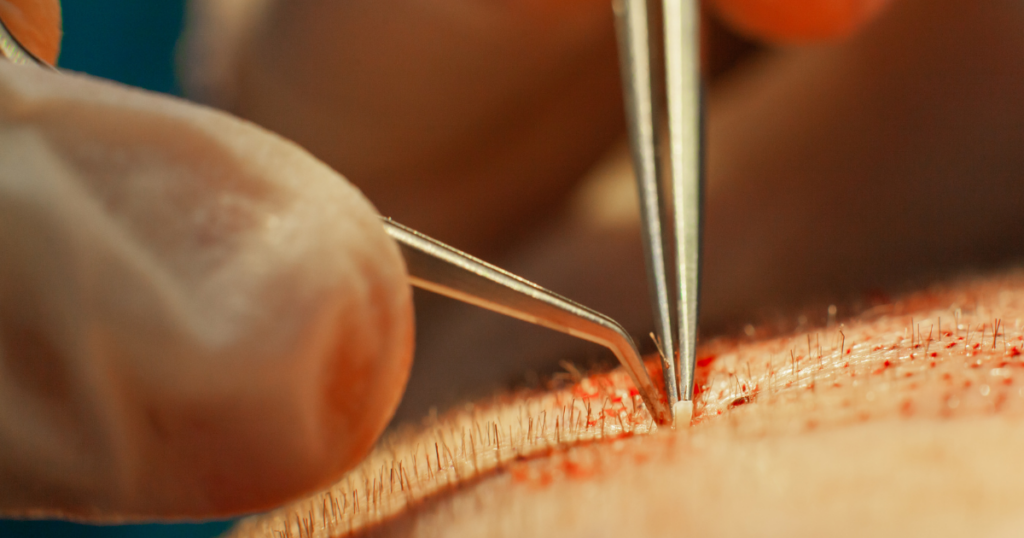
A hair transplant is a procedure that moves healthy hair follicles from one part of the scalp to another. The donor area is usually the back or sides of the scalp, where follicles tend to be more resistant to the hormonal effects of pattern hair loss. These follicles are then transplanted into areas of thinning or baldness. Once established, the transplanted follicles continue to grow hair naturally in their new location. Modern hair transplant procedures, including NeoGraft, are designed to create natural looking results by carefully placing follicles according to the direction, angle, and density of normal hair growth.
Why Patients Consider Hair Transplant Treatment
Hair transplant treatment is often recommended for patients who have more advanced thinning or areas where follicles are no longer actively producing hair. It can be especially helpful for:
- Receding hairlines
- Crown thinning
- Patchy areas of reduced density
- Hairline refinement
- Long term restoration planning
Because transplanted follicles come from a donor area with stronger genetic resistance, the results are considered long lasting and naturally growing.
How PRP and Hair Transplant Work Together
One of the reasons patients often explore both treatments is that they support different aspects of hair restoration.
A hair transplant physically restores hair to areas where follicle activity is no longer sufficient. PRP helps support the scalp and may improve the health of existing follicles in surrounding areas. In some treatment plans, PRP may also be used to support healing and follicle vitality after transplant placement.
This combination can be helpful because hair restoration is rarely just about one isolated area. Many patients have a mix of inactive follicles, miniaturized follicles, and healthy donor hair. A thoughtful treatment plan addresses all of these factors, not just the most visible thinning spot.
When PRP and hair transplant treatment are combined strategically, patients may benefit from:
- Improved support for existing hair
- Better overall density planning
- A healthier scalp environment
- More natural looking long term results
Who May Be a Candidate for Treatment
Hair restoration is not one size fits all. Some patients are ideal candidates for PRP alone. Others benefit more from a hair transplant. Many are best served by a customized approach that includes both.
Good candidates may include:
- Men with receding hairlines or crown thinning
- Women with diffuse thinning and reduced density
- Patients with healthy donor hair
- Individuals with pattern hair loss
- Patients seeking natural hairline improvement
- People looking for minimally invasive hair restoration options
The best way to determine candidacy is through a detailed consultation. At a qualified hair restoration clinic in Newport Beach CA, the consultation should include an assessment of scalp condition, donor hair quality, pattern of loss, and realistic treatment expectations.
What to Expect from a Hair Restoration Consultation
A consultation is one of the most important parts of the process because it helps establish what type of hair loss is happening and which treatment approach is most appropriate.
During a consultation, the provider may evaluate:
- Current hair density
- Location and pattern of thinning
- Quality of donor hair
- Family history of hair loss
- Scalp health
- Long term restoration goals
This planning process is important because natural looking hair restoration depends on proper design, careful graft distribution, and realistic expectations. It is not just about adding more hair. It is about restoring balance in a way that looks appropriate over time.
Recovery and Results Timeline
Hair restoration results take time, and patients benefit from knowing that progress happens gradually. With PRP, patients may begin noticing improvement over a series of treatments, often in the form of reduced shedding, better texture, or stronger appearing hair. Because PRP supports the biology of the follicle, its effects are gradual rather than immediate.
With hair transplant treatment, the process also unfolds over several months. After the follicles are placed, they settle into the scalp and begin a normal growth cycle. Early shedding can occur before new growth begins, which is a normal part of the process. In many cases, patients begin to notice visible progress within a few months, with fuller improvement continuing over six to twelve months depending on the treatment plan and individual healing response.
Why Patients Choose a Hair Restoration Clinic in Newport Beach
Patients seeking treatment in Newport Beach often want a provider and expert who combines advanced aesthetic care with thoughtful treatment planning. Hair restoration is a personal decision, and patients typically value a setting that feels professional, supportive, and focused on natural outcomes.
A trusted hair restoration clinic in Newport Beach CA can offer:
- Advanced treatment technology
- Personalized planning
- Aesthetic judgment focused on natural results
- Integrated options such as PRP and NeoGraft
- Ongoing support throughout the restoration process
For many patients, choosing a provider is about more than just the procedure itself. It is about feeling informed, respected, and confident that the plan reflects their long term goals.
The Value of a Personalized Hair Restoration Plan
One of the most important truths about hair restoration is that every patient’s pattern is different. Age, genetics, scalp condition, and treatment goals all influence the right approach.
That is why personalized planning matters so much. Some patients may need early scalp support with PRP. Others may be ready for a hair transplant to rebuild density in more advanced areas. Some benefit from using PRP as a complement to transplant treatment for more comprehensive support. A customized plan helps ensure that treatment is guided by the patient’s actual needs rather than a generic solution.
Supporting Natural Hair Growth with Modern Treatment
Natural looking hair restoration depends on using the right treatment for the right reason. PRP helps support existing follicles and scalp health. Hair transplant procedures restore hair in areas where density has been lost. Together, these treatments can help patients move forward with a plan that feels both effective and realistic.
For individuals exploring treatment at a hair restoration clinic in Newport Beach, PRP and hair transplant options represent two of the most valuable tools available today. With proper evaluation and careful planning, they can support stronger hair growth, more balanced density, and a renewed sense of confidence. For patients who want an approach centered on natural hair growth, long term planning, and personalized care, modern hair restoration offers more possibilities than ever before.